Understand
Learn about the pet's history, current condition, mobility and goals.
Helping your pet move better starts with understanding how your pet moves.
At Animal Wellness Center of OC in Costa Mesa, we provide personalized veterinary rehabilitation for pets recovering from surgery or injury, living with orthopedic or neurologic conditions, experiencing age-related mobility changes, or needing additional support to maintain function and quality of life.
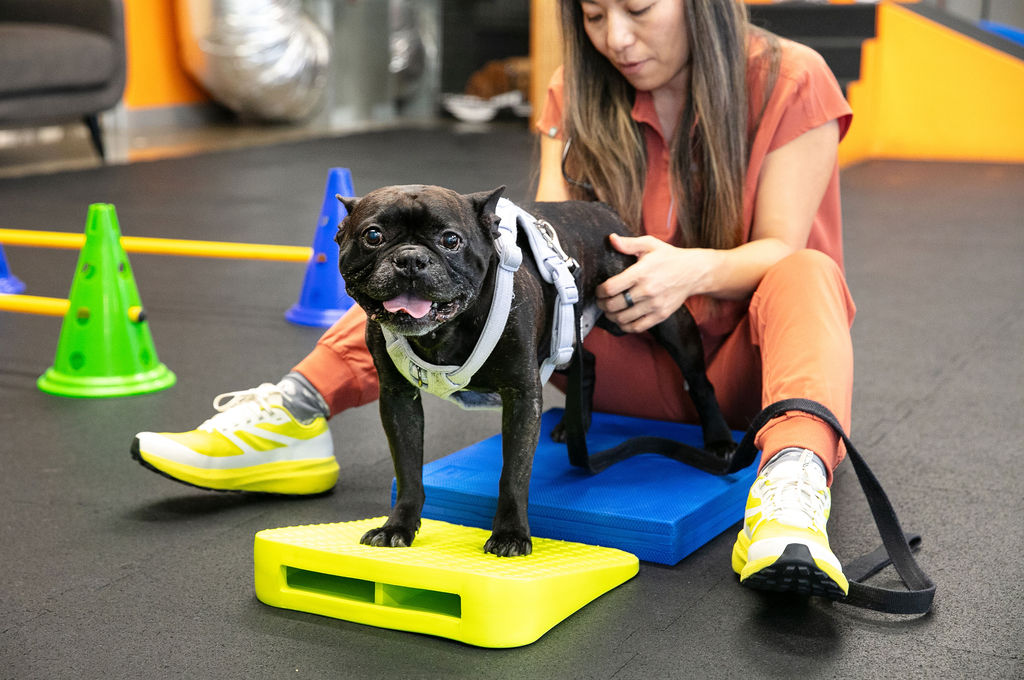
Movement, Strength & Function
Veterinary rehabilitation uses targeted exercises, movement techniques, and therapeutic modalities to support mobility, strength, balance, coordination, range of motion, and functional movement.
Similar to physical rehabilitation for people, veterinary rehabilitation focuses on helping the patient move as safely and effectively as possible within their individual abilities.
At AWCOC, rehabilitation isn't something we simply do to your pet. Our team works directly with them, adjusting exercises, positioning, assistance, and therapies based on how they respond.
Individualized Care
A personalized rehabilitation plan may incorporate:
Not every patient needs every therapy. The goal is to select the approaches appropriate for your pet.

Common Rehabilitation Needs
Veterinary rehabilitation may be appropriate for pets experiencing:
Rehabilitation may help support strength, coordination, balance, gait, and functional mobility in pets affected by neurologic conditions.
A rehabilitation program may focus on maintaining strength, mobility, and function as the condition progresses.
Rehabilitation may support pets recovering from fibrocartilaginous embolism as they work to regain strength, coordination, and functional movement.
Individualized rehabilitation may help pets progressively rebuild strength and movement following orthopedic procedures.
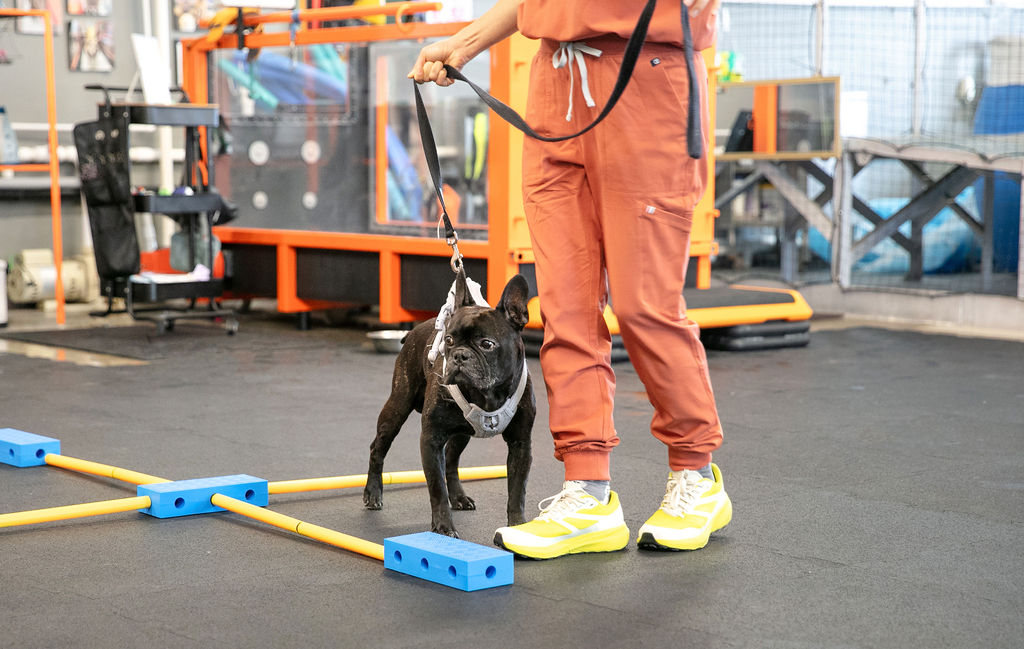
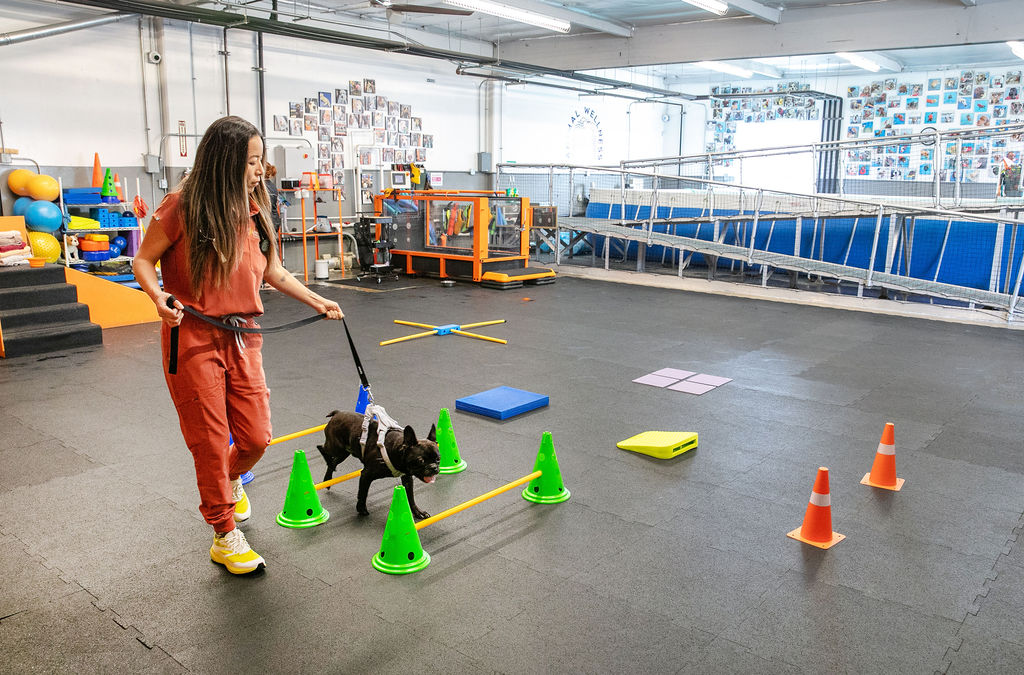


A structured rehabilitation program may support controlled movement, progressive strengthening and return to function following cruciate injury or TPLO surgery.
For older pets and those living with arthritis, rehabilitation can focus on maintaining mobility, strength, balance and comfortable movement.
Hands-on rehabilitation may be used to support appropriate movement patterns, strength, coordination, and mobility.
Rehabilitation can help pets adapt to changes in movement, balance, and weight distribution following limb amputation.
Your pet's rehabilitation journey
Learn about the pet's history, current condition, mobility and goals.
Develop an individualized rehabilitation plan based on the patient's needs and abilities.
Work directly with the pet and modify exercises and modalities based on progress and response.
Our rehabilitation process is a collaborative journey. We'll work closely with you to ensure your pet receives the right care, support and guidance every step of the way.


Questions from Pet Parents
No. Rehabilitation may be appropriate following surgery or injury, but it can also support pets living with chronic orthopedic or neurologic conditions, arthritis, weakness, or age-related mobility changes.
AWCOC evaluates patients individually to determine whether our rehabilitation services are appropriate for their needs. Contact us to discuss your pet.
There isn't one standard timeline. Frequency and duration depend on your pet's condition, abilities, goals, and response to therapy.
Not necessarily. Hydrotherapy is one of several tools available to our rehabilitation team. Whether it is appropriate depends on the individual patient.

Personalized Veterinary Rehabilitation
Whether the goal is recovery, maintaining mobility or adapting to a new physical challenge, we’re here to help.